The Best Reader Pens Ranked for 2026, Fully Compared
Ranked by real-world accuracy, genuine offline battery performance, and whether standalone or connected actually matches how you’ll use it — not by feature count.
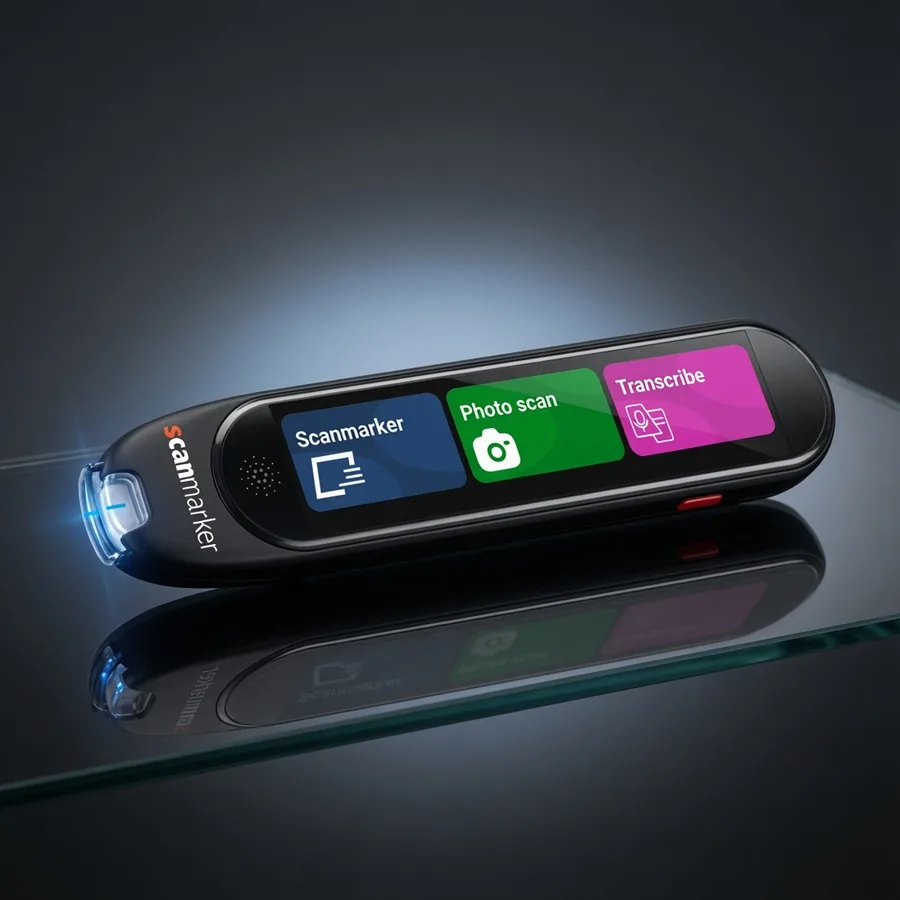
What “best” means here
A reader pen isn’t ranked well just because it has the most features. The best pick for a child’s homework is not the best pick for an adult managing reading fatigue, and neither is the best pick for a district buying for classroom-wide accommodations. This guide ranks by use case, not by a single universal winner.
Best overall: standalone, no phone required
For most people, the best reader pen is a fully standalone device — no app, no pairing, no phone battery to manage alongside the pen’s own. This category wins on reliability: it works the same in a classroom, on a plane, or at a kitchen table with spotty Wi-Fi. Look for a device offering both a simpler entry-level tier and a fuller-featured tier with dictionary lookup and broader offline language coverage, so you can match spend to actual need.
Best for budget-conscious buyers
A simpler connected model, without standalone offline operation, is the right call if cost is the primary constraint and you’re comfortable using it tethered to a computer. This tier sacrifices portability for a meaningfully lower price point — a reasonable trade for shared-computer or classroom-desk use.
Best for adult reading fatigue and low vision
Adults generally don’t need phonics support — they need speed, battery life, and comfortable extended use. A calmer, higher-contrast device designed around adult reading sessions, rather than classroom homework bursts, is the better fit here.
The models compared
| Model | Price | Standalone | Languages | Best for |
|---|---|---|---|---|
| Scanmarker Max | $299 | Yes | 30 languages | Best standalone |
| Scanmarker Max Bundle | $319 | Yes | 30 languages | Best for early readers |
| Scanmarker PAL | $179 | Yes | 10 languages | — |
| Scanmarker Pro | $249 | No | 112 languages | Best OCR |
| Scanmarker Air | $169 | No | 112 languages | Best for note-taking |
| Scanmarker USB | $79 | No | 112 languages | Best budget |
At a glance
| Priority | What to look for | Who it’s for |
|---|---|---|
| Reliability anywhere | Standalone, offline-capable | Most buyers |
| Lowest price | Connected, no standalone mode | Budget / shared-computer use |
| All-day adult use | Long battery, higher-contrast display | Reading fatigue, low vision |
| Translation on the go | Broadest offline language coverage | ESL, multilingual households, travel |
FAQ
What’s the single best reader pen for most people?
A standalone, offline-capable model in the mid-tier price range covers the widest range of situations without requiring a phone, subscription, or ongoing setup.
Is a more expensive reader pen always better?
No — higher-priced models typically add dictionary lookup, translation, and broader language support, which matter a lot for some buyers and not at all for others. Match the price tier to features you’ll actually use.
How often should you replace a reader pen?
Most quality reader pens last several years of regular use; battery degradation, not obsolescence, is usually the eventual reason to upgrade.
Do reader pen reviews from marketplaces reflect real long-term performance?
Partially — they’re useful for catching early defects and setup issues, but most reviews are posted within the first weeks of ownership, before battery degradation or long-term accuracy issues would show up.
Related guides
Reader Pen: How It Works and Who Actually Needs One
Important: Information in this guide is provided for general purposes and is not a substitute for professional medical, vision, or accessibility advice. A reading pen is an assistive tool that provides access to printed text — it does not diagnose, treat, or correct any reading, vision, or attention-related condition. Last reviewed: August 2026.
← All 34 guides